A third person multiplayer Craft/RPG with visceral combat. Utilizes Unreal Engine 5's Gameplay Ability system and Common UI. Implemented with both C++ and blueprints.
-
Combo system through the Gameplay Ability System. Combo is driven by player directional input. Each direction fires a different move within the combo and can be strung together in any order. Custom network synchronization nodes within GAS sends the players input to the server to determine the correct move. A shift modifier on the W or S keys allow an advancing or retreating slash.
Custom lighting and transition implementation. A "Town" has a radius in which the entire lighting solution will transition for the local player. The skybox material, lights, height and volumetric fog lerps within the scene as a player enters the area. Settings are driven by data and can be tweaked per location.
Data driven tutorial system that responds to gameplay events via Tags. Widgets built with Common UI and Common Rich Text. Objectives or tutorials can chain, and progress is saved through UE's Save Game feature.
Character creator with Common UI widgets and style assets. Character data is saved via UE's save game system and loaded into character appearance at runtime.
Builder, utilizes Common UI and UE's save game. Features Clone, Delete, Snapping, and persistence.
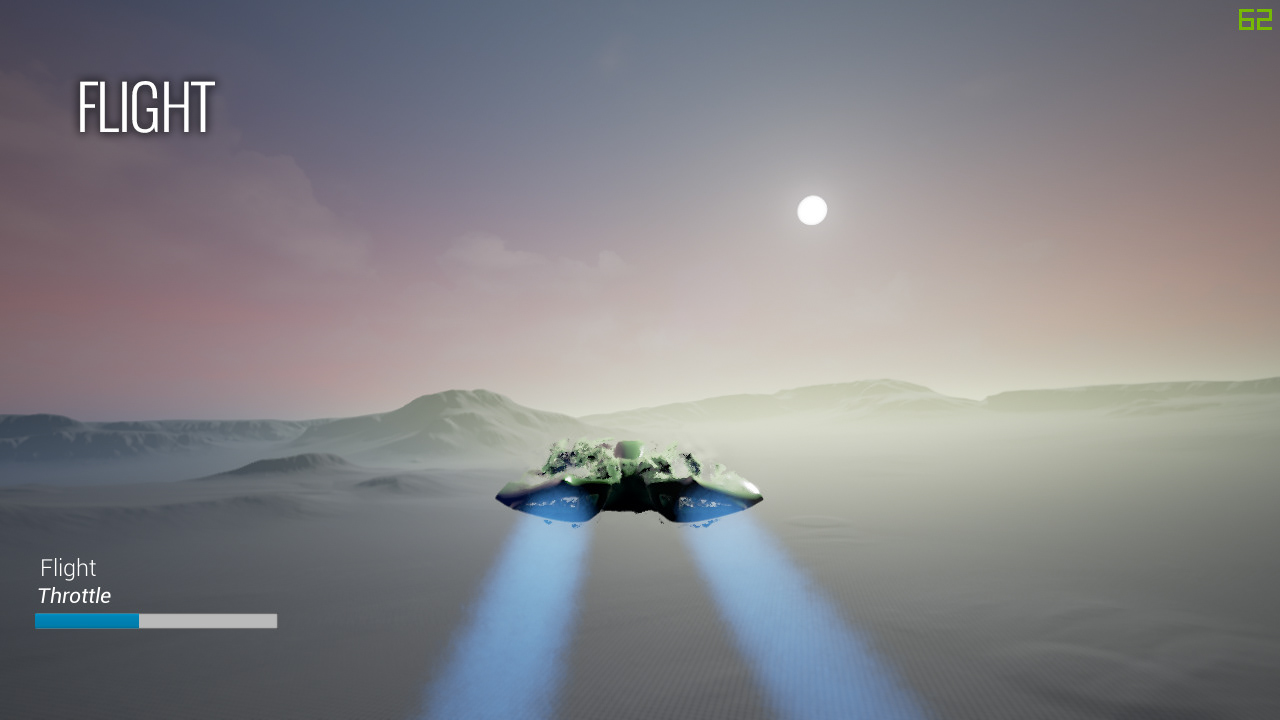
A new pawn is possessed to enter fly mode while an actor in the world responds to when the player places or removes a new part. The parts are updated through the save game when a modification is made. On a new play session, the parts are asynchronously loaded into the world through the managing actor.
The UI is constructed based on available data. If a data category exists and has selections available, the category will appear in the UI.
A new pawn is possessed to enter fly mode while an actor in the world responds to when the player places or removes a new part. The parts are updated through the save game when a modification is made. On a new play session, the parts are asynchronously loaded into the world through the managing actor.
The UI is constructed based on available data. If a data category exists and has selections available, the category will appear in the UI.
Resource Gathering through the Gameplay Ability System.
Minerals are procedurally spawned into the world runtime through a game settings data asset. This determines the mineral type and yield. The player can mine the resources by interacting with it where GAS drives the collection through animations and warp targets.
The trees are the typical landscape foliage, but are converted to a single blueprint actor when the player attempts to chop it down. Yield is determine by the size of the tree, where bigger trees yield more wood. Each tree that is interacted with is removed from the instanced static mesh foliage actor and remains a blueprint.
The trees are the typical landscape foliage, but are converted to a single blueprint actor when the player attempts to chop it down. Yield is determine by the size of the tree, where bigger trees yield more wood. Each tree that is interacted with is removed from the instanced static mesh foliage actor and remains a blueprint.